Upholstery Cleaning in
Upholstery cleaning is more than a simple freshen-up for your sofas and chairs — it's an essential part of maintaining a healthy, attractive living space. Whether you own a fabric couch, a leather armchair, or a delicate upholstered dining chair, regular upholstery cleaning helps remove dust, allergens, oils, and stains that build up over time. In this article we explore professional and DIY approaches, explain why regular maintenance matters, and provide practical tips for keeping your furniture looking and feeling like new. For readers searching for expertise on upholstery cleaning in any home or office, this guide delivers clear, actionable information.
Many homeowners underestimate the impact of neglected furniture. Everyday use deposits microscopic particles into upholstery fibers: food crumbs, pet dander, body oils, and airborne pollutants. Over months and years, these contaminants can discolor fabrics, degrade materials, and even trigger allergies. Professional upholstery cleaning restores appearance and extends the life of furniture by removing deep-seated grime that vacuuming alone cannot reach. If you want to maintain a healthy indoor environment, investing in routine upholstery cleaning is a smart, cost-effective decision.
Key benefits of routine upholstery care include improved indoor air quality, fewer odors, better aesthetics, and prolonged furniture lifespan. Whether you're preparing your home for guests, addressing stubborn stains, or simply wanting to refresh your living room, targeted upholstery cleaning brings measurable results. Read on for techniques, stain strategies, and expert tips that apply to fabric, leather, microfiber, and specialty materials.
Why Upholstery Cleaning Matters for Health and Longevity
Regular upholstery cleaning does more than enhance a room’s visual appeal — it protects health. Indoor allergens such as dust mites and pet dander embed themselves in upholstery and can exacerbate asthma and allergy symptoms. Professional cleaning removes these irritants and reduces the risk of respiratory discomfort. In addition, cleaning restores the fibers' natural resilience, preventing premature wear and sagging. This is especially important for high-traffic furniture where fabric fibers may break down faster without proper care.
From a financial perspective, the cost of periodic upholstery cleaning is typically lower than the expense of reupholstering or replacing furniture. When surfaces are maintained, stains and spots are less likely to become permanent. Professional technicians use targeted solutions and equipment that are safe for various fabrics, preserving color and texture. Whether you're considering upholstery cleaning for a family room sofa or commercial seating in a waiting area, maintenance can save money over the long term.
Pro tip: Schedule upholstery cleaning at least once a year for average-use furniture and more often for households with pets or children. Frequent maintenance helps ensure that your furniture remains fresh and functional while minimizing wear. If you notice lingering odors, persistent stains, or fabric abrasion, it's time to call in professionals who specialize in upholstery cleaning and fabric care.
Common Stains and How Professionals Handle Them
Stains come in many forms: food and beverage spills, ink, grease, pet accidents, and body oils. Tackling these requires different chemistries and methods. Professionals assess the fabric type, colorfastness, and the nature of the stain before selecting a treatment. For instance, protein-based stains (like blood or egg) are often treated with enzyme-based cleaners, while oil-based spills may need solvent-based spotters. A careful test for colorfastness in an inconspicuous area prevents dye transfer and fabric damage during the cleaning process.
Hot water extraction, low-moisture cleaning, and dry cleaning solutions are common approaches in the upholstery cleaning toolkit. Hot water extraction — often called steam cleaning — is effective for deep soil removal on many fabric types, while low-moisture methods are ideal for delicate or non-colorfast materials that cannot tolerate heavy wetting. Dry cleaning powders or solvent-based systems are used for fabrics labeled 'dry clean only.' The right method depends on a combination of fabric care tags, visual inspection, and the technician’s expertise.
Professional technicians also use specialized tools like upholstery wands, articulated nozzles, and soft-bristled brushes to agitate and extract soils without damaging fibers. For leather, a different process applies: cleaning agents formulated for leather are used followed by conditioning to maintain suppleness and prevent cracking. When evaluating upholstery cleaning services, ask about their stain-removal success rates and whether they offer targeted treatments for stubborn spots.
DIY Upholstery Cleaning Tips That Work
Not every situation requires a professional; many stains and routine maintenance tasks can be handled at home. Start with the simplest steps: vacuum upholstery regularly using a brush attachment to remove surface dirt and loose particles. For small spills, blot rather than rub — blotting lifts liquid without pushing it deeper into fibers. Keep a supply of mild detergent, white vinegar, club soda, and hydrogen peroxide for specific stain types, but always test a small hidden area for colorfastness before applying any solution.
Step-by-step stain treatment
1. Blot the spill with a clean, white cloth.
2. Apply a small amount of a mild cleaning solution suitable for the fabric.
3. Work gently from the outer edge of the stain toward the center to prevent spreading.
4. Rinse with a damp cloth and blot dry.
5. Allow the area to air dry, avoiding direct heat.
What to avoid: avoid harsh scrubbing, bleach, and overly alkaline cleaners which can damage fibers and fade colors. Microfiber and suede-like fabrics often respond well to rubbing alcohol for lifting oil-based stains — again, test first. For pet stains, enzymatic cleaners are highly effective because they break down odor-causing proteins. Use a blacklight to find hidden stains and treat them promptly to prevent lingering smells.
Choosing a Professional Upholstery Cleaning Service
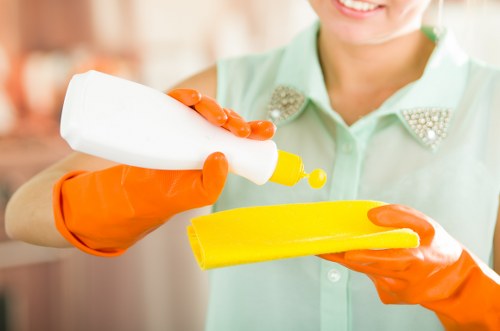
Selecting the right upholstery cleaning service means balancing quality, safety, and price. Look for professional companies with certified technicians and clear cleaning processes. Certifications from recognized industry organizations indicate that a company follows established best practices for upholstery cleaning. Many reputable firms provide written estimates, explain the cleaning methods they use, and disclose the types of chemicals and equipment involved. Transparency is a sign of professionalism and respect for your home.
Questions to ask potential services
- What cleaning methods do you recommend for my specific fabric type?
- Are your technicians certified and insured?
- Do you perform a spot test before cleaning?
- Can you provide a written estimate and a satisfaction guarantee?
- What is your dry time, and are there odor or chemical-free options?
Costs vary based on furniture size, fabric complexity, and condition. A trustworthy upholstery cleaning company will explain pricing clearly and avoid surprise fees. Eco-friendly and low-VOC cleaning solutions are increasingly available — if indoor air quality is a priority, ask about green cleaning options. Remember: the cheapest quote isn't always the best choice. Consider experience, reviews, and the scope of services when making a decision.
Maintenance After Cleaning and Scheduling for Best Results
After professional upholstery cleaning, proper aftercare maximizes results. Rotate cushions periodically to ensure even wear. Keep rugs and drapes cleaned to reduce the transfer of dust and pollen to upholstery. Use armrest and headrest covers in high-use spots to catch oils and spills before they reach the fabric. If pets are present, establish grooming routines to reduce shedding and dander that settle into furniture fibers between professional cleanings.
Recommended schedule: vacuum monthly, spot-treat as needed, and schedule a professional upholstery cleaning at least annually for most homes. For households with children, pets, or heavy use, consider scheduling every 6–9 months. Commercial settings and public spaces often require more frequent service to maintain hygiene standards. Regular scheduling not only keeps surfaces looking great but also prevents the buildup that makes deep cleaning more difficult and costly.
Book your service now if you notice persistent odors, visible soil, or allergy flare-ups that coincide with furniture use. Professional upholstery cleaning refreshes your living spaces, protects investment furniture, and contributes to a healthier home environment. Contact us today to discuss tailored upholstery cleaning options, or request a quote online. Take action — clean upholstery improves comfort, health, and the overall appeal of your space.
Special Considerations: Leather, Vintage Fabrics, and Commercial Upholstery
Leather and vintage fabrics demand special care. Leather benefits from pH-balanced cleansers and periodic conditioning to maintain suppleness. Vintage or antique upholstery can be fragile, often requiring conservator-style cleaning with minimal moisture and gentle solvents. Commercial upholstery — found in offices, hotels, and restaurants — faces heavier traffic and may mandate scheduled cleanings with documented procedures to comply with health codes and hospitality standards.
When dealing with specialty fabrics like silk, velvet, or embroidered textiles, choose cleaners with demonstrated experience. These materials can be porous, highly color-sensitive, or structurally delicate. A professional who understands fabric construction will select cleaning agents and techniques that preserve both look and integrity. If restoration is needed after years of wear, reupholstery or partial repairs may be recommended alongside cleaning.
Remember: not all stains are reversible, and not all fabrics can tolerate every cleaning method. An honest assessment from a qualified upholstery cleaner can prevent costly mistakes. If in doubt, rely on experienced professionals who provide clear explanations and options for safeguarding your investment.
Eco-Friendly Options and Pet-Friendly Upholstery Care
Environmental and pet-friendly cleaning options are now widely available. Many reputable upholstery cleaning services offer low-VOC, biodegradable cleaning agents that are safe for children and pets. These solutions reduce chemical residues and minimize airborne irritants. When selecting a service, ask whether they offer green cleaning protocols and what steps they take to avoid cross-contamination between homes.
Pet owners should emphasize enzymatic cleaners for odor control and choose protective sprays or fabric guards that repel stains without altering the fabric’s feel. Routine vacuuming with HEPA-filter appliances helps reduce pet dander, and installing washable slipcovers on high-use furniture provides an extra layer of protection. For stubborn pet odors, professional deodorizing treatments can neutralize underlying causes rather than masking smells.
Call-to-action: If allergies, pets, or environmental concerns matter to your household, request eco-friendly upholstery cleaning options when booking. Book your service now to secure a time that fits your schedule and to protect the health of family members and pets alike.
Cost, Value, and What to Expect During a Professional Visit
Understanding pricing helps set expectations. Most upholstery cleaning quotes reflect the size of the furniture, the type of fabric, the soiling level, and any spot treatments required. Some companies charge per piece, while others offer package pricing. A transparent provider will give an upfront estimate and explain additional fees for stain protection, deodorizing, or extensive repairs. Evaluate value by considering the quality of equipment, technician experience, and included guarantees.
During a professional visit, expect an initial inspection and a brief explanation of the chosen method. Technicians often perform spot testing, pre-treat stains, clean using recommended equipment, extract soils, and groom fabric nap for a uniform finish. Dry time varies: low-moisture methods may leave furniture ready within an hour, while wet-extraction systems can require several hours to dry completely. Proper ventilation and a gentle hand drying process speed up recovery.
Final results will depend on fabric condition, age, and previous treatment history. Professionals aim to restore appearance and functionality; however, some older fabrics may show wear that cleaning cannot fully reverse. Consider scheduling regular cleanings and using protective measures to maintain the results and preserve your furniture investment over time.
Final Thoughts: Make Upholstery Cleaning Part of Your Home Care Routine
Regular upholstery cleaning is an investment in comfort, health, and home value. By combining routine vacuuming, timely spot treatments, and periodic professional cleaning, you can keep furniture looking its best and living spaces healthier. Remember to prioritize fabric-specific care, ask the right questions when choosing a service, and consider eco-friendly and pet-safe cleaning options if those factors are important to your household.
Whether you need a one-time deep clean to prepare for guests or a scheduled maintenance plan to protect valuable furniture, expert upholstery cleaning brings benefits that go beyond aesthetics. It reduces allergens, eliminates odors, and extends furniture lifespan — outcomes that matter for families, pet owners, and businesses alike. Reach out to a local professional to discuss customized solutions and to learn how often you should schedule service for your specific needs.
Contact us today to learn more about upholstery cleaning options or book your service now to schedule an inspection and free estimate. Fresh, clean upholstery makes a visible difference in your home and contributes to a healthier, more comfortable living environment.