Stain Removal in: Expert Tips for Clothes, Carpets, and More
Understanding the Basics of Stain Removal in Everyday Life

Stain removal in everyday life begins with quick assessment: what caused the mark, what surface is affected, and how long the stain has set. Fast action often separates a temporary blemish from a permanent problem. Learning the basics of stain removal in common fabrics gives you an edge when spills happen.
Start by blotting rather than rubbing to avoid pushing the stain deeper. Keep plain water, mild detergent, and a clean cloth on hand. Familiarity with stain removal in different materials—cotton, wool, leather, and synthetics—reduces panic and increases your success rate.
Knowledge of simple household items that assist stain removal in the moment is powerful. Club soda, vinegar, and baking soda are versatile for many fresh spills, while hydrogen peroxide or rubbing alcohol can target specific pigments safely when used correctly.
Identifying Stain Types and Why It Matters
Identifying the stain type is crucial because the wrong treatment can make it worse. Protein-based stains like blood or dairy react differently from oil-based stains like grease. For effective stain removal in your home, classification is the first step.
Protein stains usually require cold water and enzymatic cleaners, while oil stains benefit from degreasers or dish soap. Understanding this distinction informs a safer stain removal in fabrics and upholstery without damaging fibers.
Tip: Test any product on an inconspicuous area before wide use. This simple precaution avoids color loss and fiber damage during stain removal in delicate textiles.
Essential Tools and Supplies for Stain Removal in Your Home
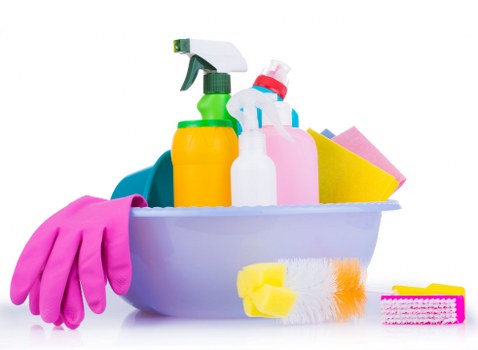
Assemble a basic stain removal in toolkit: clean microfiber cloths, a gentle detergent, white vinegar, baking soda, hydrogen peroxide, rubbing alcohol, and a soft-bristled brush. These items address the majority of common spills quickly and effectively.
Investing in a portable stain removal in kit for travel or the car ensures you're prepared when accidents happen away from home. Convenience matters — quick attention prevents long-term discoloration.
Include specialized items like an enzymatic cleaner for pet stains and an upholstery-safe formula for furniture. These targeted products improve outcomes for stain removal in sensitive materials such as suede or silk.
Kitchen Stains: Food, Oil, and Wine

Kitchen messes are the most frequent source of stains. When tackling food stains, consider the stain origin: grease, pigment, or protein. Immediate stain removal in table linens and clothing often requires different methods.
For oil and grease, start with absorbent powder like baking soda, then apply dish soap and warm water. This method is a classic approach to stain removal in fabrics without harsh chemicals.
Red wine and berry stains respond well to immediate blotting and the application of salt or club soda to lift color. For persistent marks, a solution with hydrogen peroxide and dish soap can be effective for stain removal in cotton items.
Removing Coffee, Tea, and Soft Drink Stains
Coffee and tea create tannin stains that can be stubborn. Pre-treat the area with a mixture of white vinegar and water, then launder normally. This approach works well for stain removal in shirts and linens.
Soft drinks often contain dyes and acids; blot immediately to remove excess liquid, then use a mild detergent solution. For stubborn dye transfer, a color-safe bleach may assist with stain removal in colorfast garments.
Always check care labels before using heat. Hot water or drying can set stains, making stain removal in garments much more difficult if done prematurely.
Grease, Oil, and Makeup: Treatments That Work
Grease and makeup are oil-based and benefit from degreasing agents. Apply dish soap directly to the stain and gently rub before rinsing. This is a quick, effective method for stain removal in most washable fabrics.
For makeup, consider using an oil-based remover first to dissolve pigments, followed by a gentle detergent for stain removal in clothes. This two-step process protects fabric structure and color integrity.
In cases of heavy oil, a commercial stain remover formulated for grease can accelerate stain removal in stubborn spots. Check fiber compatibility before use.
Protein Stains: Blood, Sweat, and Dairy
Protein stains like blood require cool water to prevent setting. Avoid hot water initially; it can coagulate proteins and embed them deeper. Pre-soak with cold water and a bit of enzyme cleaner for effective stain removal in garments.
For sweat stains, apply a paste of baking soda and water, allow it to sit, then rinse thoroughly. This gentle abrasive action helps lift residue without harming fibers and aids stain removal in older, set-in marks.
Dairy spills often combine fat and protein, so use cold water followed by a mild detergent. Re-treating and repeating wash cycles can be necessary for complete stain removal in heavily soiled areas.
Ink, Dye, and Marker Stains
Ink and dye stains can be alarming but respond to targeted solvents. Rubbing alcohol or a dedicated ink remover is often effective. Dab — do not rub — to avoid spreading the stain when practicing stain removal in textiles.
For dye transfer, oxygen-based bleach can help if the fabric is colorfast. Always follow instructions and test a small area first for successful stain removal in colored garments without bleaching them out.
Professional tip: Act fast. The fresher the ink, the higher the chance of full removal during stain removal in clothing or upholstery.
Pet Stains and Odor Control
Pet stains require both stain removal and odor enzymatic treatment. Enzymatic cleaners break down organic materials and eliminate smells at the source, making them crucial for stain removal in carpets and rugs.
Blot solid residue, apply an enzyme product according to label directions, and allow sufficient dwell time. Rinse and blot again to complete the process for stain removal in pet-affected surfaces.
For persistent odors, baking soda can be sprinkled and later vacuumed to absorb lingering smells, complementing your stain removal in living spaces.
Carpet and Upholstery: Deep Cleaning Strategies
Carpets and upholstery often retain more moisture and residue than clothing, so careful stain removal in these materials is important. Use a low-sudsing cleaner to prevent over-wetting and potential mold problems.
Renting a hot-water extraction machine or hiring a professional may be best for severe or old stains. Professional-level stain removal in carpets reduces risk of fiber damage and restores appearance more reliably.
Spot test any cleaner before full application. For delicate upholstery, select a product specifically labeled for the fabric to ensure safe stain removal in sofas and chairs.
Leather, Suede, and Specialty Fabrics
Leather and suede need gentler, specialized care. Avoid soaking; use a leather cleaner or a small amount of distilled water and mild soap for surface cleaning. Proper conditioning after stain removal in leather prevents cracking.
For suede, a suede brush and eraser block remove many surface marks. For persistent stains, consult a specialist to avoid irreversible damage during stain removal in luxury fabrics.
Note: Dry-clean-only garments often require professional attention. Attempting home methods can reduce lifespan and compromise appearance when attempting stain removal in delicate items.
Clothing Care: Washing, Pretreating, and Drying
Effective clothing care involves pretreating stains before laundering and avoiding heat until the stain is fully gone. Heat can set many types of stains permanently, so use air drying to check results after stain removal in garments.
Use enzyme-based laundry detergents for organic stains and oxygen-based bleach for whites and colorfast items. Follow care label directions for the best results in stain removal in everyday laundry.
When in doubt, repeat treatment rather than increasing temperature. Multiple gentle cycles often succeed where one harsh attempt fails to achieve stain removal in stubborn cases.
Prevention and Everyday Habits to Reduce Stains
Preventive habits are the best defense. Use napkins and coasters, apply protective sprays to upholstery, and treat garments with stain repellents. These measures lower the need for aggressive stain removal in the future.
Establish a routine for immediate cleanup. Keeping a stain removal in kit near common spill zones such as the dining area and car reduces response time and improves outcomes.
Quick list:
- Blot spills immediately
- Use appropriate cleaners for each stain type
- Avoid heat until stain removal in confirmed
Eco-Friendly Stain Removal in a Sustainable Home
Eco-conscious stain removal in the home uses fewer harsh chemicals. Simple solutions like vinegar, baking soda, and castile soap provide effective results for many stains while minimizing environmental impact.
Natural enzymatic cleaners also offer non-toxic options. They are effective against organic stains and safe around children and pets, improving the sustainability of stain removal in your household.
Reduce waste by using washable cloths instead of disposable wipes and by selecting concentrated products that reduce packaging. These small choices make stain removal in daily life greener.
When to Call Professionals for Stain Removal in Valuable Items
Consider professional help for antiques, heirlooms, or heavily soiled carpets and rugs. Experts have specialized tools and solvents for safe stain removal in valuable or delicate items without risking damage.
Professional stain removal in upholstery and textiles often includes deep cleaning and color restoration options that are not available through consumer products, and technicians can advise on long-term maintenance.
Cost is a factor, but the value of preserving a cherished item often outweighs the expense of professional stain removal in cases where home methods could permanently harm the piece.
Step-by-Step: A Simple Home Protocol for Stain Removal in Most Situations
Follow a reliable sequence: identify the stain, blot excess, pre-treat with a suitable solution, launder or rinse, and inspect before drying. This stepwise approach increases success for stain removal in regular household scenarios.
Here is an ordered plan to follow when you face a new stain:
- Identify the stain type
- Blot excess material gently
- Apply the correct pre-treatment
- Launder or rinse according to fabric care
- Air dry and re-inspect
Repeating targeted steps rather than intensifying treatment helps preserve fabric and improves the likelihood of full stain removal in common garments and household textiles.
Common Mistakes to Avoid During Stain Removal in Any Setting
Avoid these pitfalls: using hot water on protein stains, scrubbing aggressively, and applying bleach to unknown fabrics. These missteps can cause permanent discoloration and fiber damage during stain removal in clothes or furniture.
Do not mix chemical cleaners like vinegar and bleach — hazardous gases can result. Always read labels and follow manufacturer recommendations when performing stain removal in sensitive environments.
Remember: patience and careful testing trump rushed, aggressive responses when attempting stain removal in important items.
Maintaining Results: Long-Term Care After Stain Removal
After a successful stain removal in carpet or clothing, maintain cleanliness with regular vacuuming, spot checking, and protective treatments. Routine care extends the life of fabrics and reduces the frequency of deep cleaning.
Condition leather periodically and rotate cushions to prevent uneven wear and staining. These small actions help keep surfaces resilient and less prone to stubborn stains that require intensive stain removal in the future.
Document what worked for specific fabrics so you can apply the same method next time. Keeping notes improves efficiency for consistent stain removal in recurring scenarios.
Practical FAQs About Stain Removal in Common Situations
Q: Can all stains be removed at home? A: Many can, but some require professional intervention. Knowing when to escalate to professional stain removal in expensive or delicate items saves time and money.
Q: Is bleach always the answer? A: No. Use bleach only on whites and colorfast fabrics; otherwise, opt for oxygen-based alternatives. This keeps fabrics safe while achieving stain removal in appropriate contexts.
Q: How soon should I act? A: Immediately. The sooner you begin treatment, the better the outcome for stain removal in virtually all materials.
Final Thoughts on Smart Stain Removal in Daily Life
Smart, consistent approaches to stain removal in your home reduce worry and restore surfaces efficiently. With the right tools and knowledge, most stains are manageable with minimal risk.
Act early, choose correctly, and test first.
These three rules form the foundation of effective stain removal in clothing, carpets, and upholstery, keeping your belongings looking their best.Implement prevention habits, keep your stain removal in kit stocked, and when necessary, seek professional assistance for high-value items. These steps ensure confidence when spills occur.
Ready to Restore Your Fabrics? Take the Next Step.
If stains are persistent or you're unsure which method to use, don't hesitate. Contact us today for professional advice tailored to your situation and learn more about stain removal in specific materials.
Book your service now to schedule a professional cleaning or receive detailed, personalized tips for stain removal in your home. Quick action makes a difference and we can help you preserve your valuables.
Start with a small test area, follow safe procedures, and reach out for expert support when needed — your fabrics will thank you.