Pet Stain Odour Removal in
Understanding the Problem: Why Pet Stain Odour Removal in Matters
Pets bring joy, companionship and a fair share of messy moments. When your dog or cat has an accident on carpets, upholstery or hardwood floors, the immediate concern is the visible stain—and the lingering odour that announces it. Pet Stain Odour Removal in focuses on eliminating both the stain and the smell at their source so you don’t mask problems with temporary fragrances.
Many homeowners search for effective solutions for pet stain odour removal in carpeted rooms or on soft furnishings. The difference between short-term cleaning and a permanent fix depends on how deeply urine, feces or vomit have penetrated fibers and padding. Enzyme-based cleaners, professional treatments and proper drying all contribute to successful pet odour removal.
Before you attempt a cleanup, it helps to understand how animal waste creates stubborn odours. Urine contains ammonia and organic compounds that bacteria break down over time, releasing pungent smells. If allowed to soak into backing, subflooring or mattress materials, the odour can persist for months. That’s why many property owners invest in specialized pet stain removal techniques instead of relying on household solutions alone.
Common Types of Pet Stains and Why They Smell
Not all stains are created equal. Cat urine can be particularly challenging because of its strong concentration and tendency for repeated marking. Dog urine and feces also leave odors that cling to textiles and crevices. Vomit and blood create distinct, detectable smells and often contain proteins that accelerate bacterial growth if not removed properly.
Different surfaces react differently to pet messes: carpets trap odors in padding; sofas absorb into cushions; hardwood can be affected in both finish and the wood itself. The best approach to pet stain odour removal in each case varies, but the common goal is the same: remove the organic material, neutralize odour-causing compounds, and prevent a return.
Identifying the exact location of old stains is often hard with the naked eye. Many pet owners rely on UV black lights to reveal dried urine spots—this is an essential first step for effective pet odour removal. Once located, the right cleaning agents and techniques can be applied to target the source rather than simply masking the smell.
DIY Steps for Successful Pet Stain Odour Removal in Homes
If you prefer a hands-on approach, combining the right products with accurate technique yields great results. Start by blotting fresh urine with paper towels to remove as much moisture as possible. For dried stains, gently scrape away any residue. Avoid rubbing, which can push stains deeper into fibers and make odour removal harder.
Next, use an enzymatic cleaner that targets organic material. Enzyme cleaners break down proteins and odor-causing molecules, which is the key to long-term pet stain odour removal in carpets and fabrics. Follow manufacturer instructions, allowing the solution to sit so enzymes can act. After treatment, rinse lightly (when appropriate), blot again and ensure thorough drying to prevent mildew.
For stubborn or old stains, a combination of enzyme treatment followed by a neutralizer often works best. Avoid bleach or ammonia-based cleaners that can worsen odours, damage fabrics and be unsafe for pets. Always test a cleaner on an inconspicuous area first to check for colorfastness.
Special Surfaces: Upholstery, Carpet Padding and Hard Floors
When thinking about pet stain odour removal in upholstery, consider the construction of the furniture. Cushions, foam and inner linings can hold urine deep inside, so surface cleaning may not be enough. If the padding is saturated, professional extraction or replacement might be required to fully eliminate odour.
Carpets pose two big challenges: dense fibers and the padding underneath. If the urine reaches the padding or subfloor, smells can re-emerge after a temporary improvement. Professional carpet cleaning with hot water extraction and specialized deodorizing agents addresses these deeper layers more effectively than most consumer machines.
Hard floors (tile, laminate, hardwood) are easier to treat because liquids tend to stay on the surface—but sealants, grout lines and porous finishes can trap smells. After cleaning, applying a pet-safe sealant to affected hardwood areas helps prevent future penetration and simplifies future pet stain odour removal.
Why Professional Pet Stain Odour Removal in Might Be Worth It
For severe, long-standing or recurrent issues, professional pet stain odour removal in addresses problems that DIY methods can’t always solve. Professionals have access to powerful extraction systems, industrial-grade enzymatic and oxidizing treatments, and experience diagnosing whether a stain is surface-level or structural.
Technicians can also identify hidden trouble spots—like urine that has penetrated floorboards or behind baseboards—and advise on whether repairs or replacements are the most cost-effective approach. Their work aims not only to remove visible stains but to prevent re-marking by removing scent cues that attract pets back to the same spot.
When selecting a professional service, ask about their odour removal methods, the types of cleaning agents they use (pet-safe, non-toxic options are ideal), and whether they offer sanitizing and deodorizing warranties. A reputable team will explain the treatment plan before starting and provide follow-up care instructions.
Essential Tools and Products for Pet Stain Odour Removal in
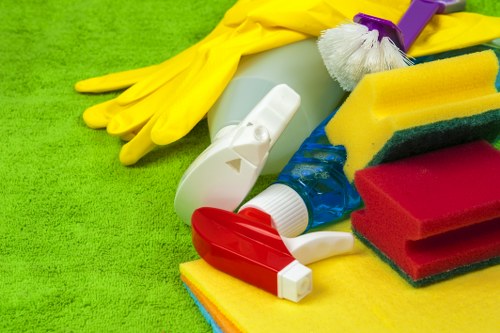
Having the right tools simplifies the process. Basic supplies include absorbent towels, a spray bottle, enzymatic cleaners, a wet-dry vacuum or carpet extractor, and a black light for detection. For upholstery, a handheld extractor and appropriate upholstery cleaning solutions are valuable investments.
Specialty products such as oxidizing agents (e.g., hydrogen peroxide based formulations) and pet-safe odor neutralizers work best after enzymes have broken down organic matter. Some products combine enzyme and oxidizer technologies for dual-action treatment—these can speed up pet stain odour removal in heavy-use areas.
Air movers, dehumidifiers and fans are crucial to thoroughly dry treated areas. Moisture left behind can encourage bacterial growth and mildew, causing secondary odours. If a spot took a long time to dry the first time, consider using multiple air movers to ensure deep layers dry effectively.
Effective Methods: Enzymes, Oxidizers and Ozone — Pros and Cons
Enzymatic cleaners are the frontline solution for pet stain odour removal. They digest proteins and organic residues, eliminating odour sources. Enzymes are safe for most fabrics and for pets when used as directed. However, they require dwell time and may need repeated applications for old stains.
Oxidizing agents (such as hydrogen peroxide-based solutions) neutralize odour molecules by changing their chemical structure. They are fast-acting and effective at brightening stains but can sometimes affect dye or fabric finishes, so spot testing is essential for safe use.
Ozone treatments can remove deep-seated odours in vacant rooms, but they are not safe for occupied spaces. If considering ozone, make sure the area is vacated and ventilated per safety guidelines. For many homeowners, enzyme and oxidizer combinations provide powerful, practical results without the risks associated with ozone.
Best Practices to Prevent Repeat Accidents and Maintain Freshness
Stopping repeat accidents starts with understanding why a pet is marking or having incontinence issues. Medical problems, anxiety, changes in schedule, or incomplete house training can trigger accidents. Consult a veterinarian for sudden or recurring indoor urination to rule out health concerns.
Regular cleaning routines and early intervention make pet stain odour removal in homes easier. Address new accidents immediately—soak up liquids, apply enzyme treatment, and dry thoroughly. Reinforce positive habits with consistent bathroom breaks, crate training, or designated indoor potty solutions when needed.
Use washable, machine-cleanable covers on furniture and rugs in high-risk areas. These layers protect your investments, simplify cleaning, and reduce the likelihood that pets will develop a scent-based preference for a spot that is hard to clean.
DIY vs Professional: Cost, Time and Long-Term Results
DIY treatments are budget-friendly for recent or minor incidents. A well-timed enzyme cleaner and a thorough drying session can successfully resolve many typical accidents. However, when stains are old, widespread or have soaked through to subfloors and padding, professional services often deliver a more permanent solution.
Professional pet stain odour removal in can appear costly at first, but it often saves money over time by avoiding repeated unsuccessful treatments, replacement of carpets and furniture, or reduced property value because of persistent odours. Many homeowners consider professional remediation an investment in their home’s hygiene and resale appeal.
When weighing options, consider the size of the problem, the age of the staining, and the type of surface involved. For quick spills, DIY is fine. For recurring or ancient odours, schedule a professional consultation to evaluate the best path forward.
Safe Cleaning: Protecting Pets and People During Pet Stain Odour Removal
Safety is paramount. Use pet-safe cleaners and avoid harsh chemicals that can cause respiratory issues or skin irritation for humans and animals. Read product labels and keep pets and children away from treated areas until completely dry and ventilated.
For homes with allergies or asthma, choose low-VOC products and increase ventilation during and after cleaning. In some sensitive cases, steam cleaning (used correctly) can sanitize surfaces without residues. However, steam may not remove deep organic matter—pairing with an enzymatic treatment is often most effective.
Wear gloves and eye protection when handling concentrated solutions. If a product accidentally contacts skin or eyes, follow first-aid instructions and seek medical assistance if necessary. Prioritize pet health—if a pet ingests a cleaner, contact a veterinarian immediately.
Choosing the Right Pet Stain Odour Removal Service in
When selecting a local team for pet stain odour removal in , look for experience, transparency and pet-safe practices. Ask potential providers about their methods, product lists, and whether they perform pre-treatment inspections to locate hidden contamination. A trustworthy company will explain why they recommend certain treatments.
Request itemized quotes and inquire about guarantees. Some companies offer re-treatment if odours return within a specified period. Verify that technicians are trained, insured and follow safety standards. Reviews and referrals can be useful but evaluate methods more than just star ratings.
Finally, ask about follow-up care. After most professional treatments, you’ll receive instructions for ventilation, avoidance of pets in treated zones, and maintenance tips to prevent recurrence. A competent service focuses on permanent odour removal and helps you adopt practices that keep your home fresh.
Quick Checklist: Immediate Actions for Fresh Accidents
Follow these steps right away to boost your chances of complete pet stain odour removal:
- Blot up liquids—don’t rub.
- Apply an enzymatic cleaner and allow dwell time.
- Rinse and blot; dry with fans or air movers.
- Use a black light to confirm full removal of all spots.
- Call professionals for deep or repeated stains.
Tip: Keep a ready kit with enzyme spray, towels and a small extractor near areas your pet frequents to act quickly when accidents happen.
Final Thoughts: Keep Your Home Fresh and Comfortable
Effective pet stain odour removal in doesn’t have to be stressful. With prompt action, the right products, and occasional professional help, you can preserve the cleanliness, comfort and value of your home. Treating the source—rather than hiding smells—ensures a long-lasting solution that’s healthier for your family and pets.
Remember to combine prevention, ongoing care and targeted treatments. Regular inspection, consistent training, and quick response to accidents reduce the need for intensive remediation later. Whether you choose DIY enzyme treatments or schedule a professional service, prioritize complete removal to avoid reoccurrence.
Ready to restore freshness? Contact us today or Book your service now to schedule expert pet stain odour removal in . Our team can evaluate the extent of contamination and recommend the safest, most effective plan tailored to your home.