What to know about upholstery cleaning in Ilford 2026
If your sofa looks a bit tired, your dining chairs have picked up everyday grime, or that favourite armchair has one too many mystery marks, you are not alone. Upholstery cleaning in Ilford has become one of those jobs people put off until the room starts to feel less fresh than it should. Truth be told, by 2026 the expectations are higher too: faster drying, safer cleaning choices, and better results on mixed fabrics without damaging the pile or fading the colour.
This guide covers what to know about upholstery cleaning in Ilford 2026 in plain English. You will learn how the process works, what it can and cannot fix, which methods suit different fabrics, how to avoid common mistakes, and what to ask before booking. If you want a broader look at the service itself, the dedicated upholstery cleaning page is a useful starting point, while the company's about us page helps with trust and background.
One quick reality check: upholstery is not the same as carpet. A sofa cushion can hide spills in the filling, collect oils from skin contact, and react badly to the wrong chemistry. So the job needs a bit of judgement. Not drama. Just judgement.
Table of Contents
- Why upholstery cleaning matters in Ilford
- How upholstery cleaning works
- Key benefits and practical advantages
- Who this is for and when it makes sense
- Step-by-step guidance
- Expert tips for better results
- Common mistakes to avoid
- Tools, resources and recommendations
- Law, compliance, standards, or best practice
- Options, methods, or comparison table
- Case study or real-world example
- Practical checklist
- Conclusion
- Frequently asked questions
Why What to know about upholstery cleaning in Ilford 2026 Matters
Upholstery takes a daily beating in a way most people underestimate. A sofa is not just a place to sit; it is where people eat crisps during film night, where pets sneak a nap, where kids test every kind of pen, and where London dust settles quietly over time. In a busy Ilford household, that adds up fast.
By 2026, more people are also thinking carefully about indoor hygiene and how much dust, oils, and allergens are sitting in soft furnishings. You do not need to turn the house upside down, but it makes sense to keep upholstery in a rotation rather than treating it as a once-every-five-years rescue mission. The earlier you deal with spots and odours, the better your odds of keeping fabric in good shape.
There is also a value angle. A well-kept sofa, ottoman, or set of dining chairs tends to age more gracefully, and that matters if you are trying to avoid replacing furniture before you really need to. A good clean can lift a room visually too. You notice it immediately when the cushions no longer look flat and grey under the light.
For homes with broader cleaning needs, upholstery often fits alongside services like carpet cleaning, rug cleaning, or even curtain cleaning. That is partly because fabrics tend to age together. When one soft surface is dusty, the others usually are as well.
How What to know about upholstery cleaning in Ilford 2026 Works
Most professional upholstery cleaning starts with inspection. A technician looks at the fabric type, the condition of the item, and any stains or odours. This matters more than people think. Velvet, wool blends, synthetic fibres, leather-look materials, and delicate natural fabrics do not all behave the same way. Some are happy with a low-moisture clean; some need a more careful approach; a few are better left to spot treatment only.
Next comes preparation. Loose dirt, crumbs, and dust are removed first so they do not turn into mud once moisture is introduced. That can sound obvious, but skipping that stage is one of the reasons DIY cleaning goes wrong. After that, a suitable pre-treatment is applied to break down oils and soiling. If there are marks from food, drink, or pet accidents, those may be treated separately. The service may also involve stain removal methods where appropriate.
The actual cleaning method usually falls into one of a few categories:
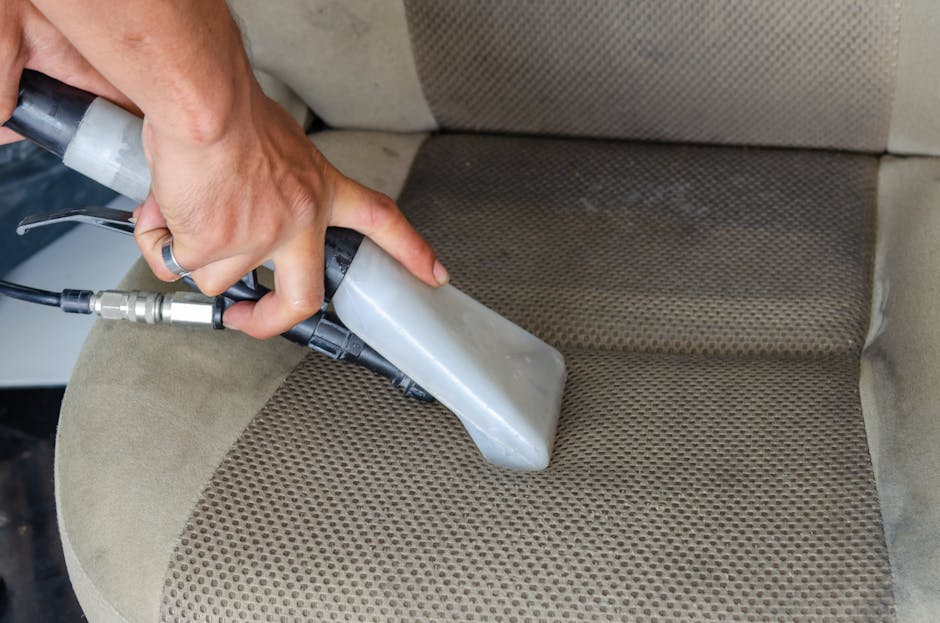
- Hot water extraction, often called steam cleaning in everyday language, though it is not pure steam.
- Low-moisture cleaning for fabrics that should not be over-wet.
- Specialist spot cleaning for targeted stains and delicate items.
- Odour treatment where smells have worked into the fibres or filling.
After cleaning, the fabric is rinsed or lightly extracted so residues do not stay behind. Drying is then managed with airflow and time. In a typical home, you want enough ventilation that the item can dry evenly, not in a damp little patch near one armrest. That is where many rushed jobs fall down.
If you have pets, the process can become a little more involved. A sofa that has absorbed pet odour often needs a tailored treatment, not just a surface freshen-up. In those situations, services such as pet stain odour removal are often more relevant than a basic clean.
Key Benefits and Practical Advantages
The obvious benefit is freshness, but that is only part of the story. Upholstery cleaning can improve the feel of a room, reduce visible wear, and help fabric last longer. It also gives you a better sense of what is actually on the furniture. Sometimes people assume a sofa is permanently dull, then discover the colour underneath is still lovely. Bit of a relief, really.
Here are the main advantages in practical terms:
- Better appearance: dull patches, spill shadows, and everyday grime are reduced.
- Improved comfort: clean fabric feels more pleasant, especially on frequently used seating.
- Odour control: stale smells from pets, food, smoke, or general use can be reduced.
- Longer furniture life: grit and residues can wear fibres down over time if left in place.
- More hygienic living space: soft furnishings can hold dust and debris even when they look fine.
There is also a practical advantage for busy homes. If you clean upholstery regularly, each visit tends to be easier. Light soiling is quicker to treat, drying is often faster, and stubborn marks have less time to set. That can make a noticeable difference in cost and inconvenience over the long run, especially when paired with good fabric care.
For sofa-heavy living rooms, combining upholstery care with a dedicated sofa cleaning service can make sense. The same is true in workspaces, waiting areas, and meeting rooms where seating gets lots of daily contact.
Who This Is For and When It Makes Sense
Upholstery cleaning is not just for obvious emergencies. Yes, if you have a tea spill, pet accident, or patch of ground-in dirt, it is a sensible move. But the service also suits people who want to keep furniture looking decent without waiting for a dramatic stain to appear.
This is especially useful if you:
- have a family home with frequent use of sofas and chairs;
- own pets that shed, nap, or occasionally make a mess;
- rent out a property and want to improve presentation before new tenants move in;
- run a small office, studio, or client-facing space;
- have bought second-hand furniture and want it refreshed properly;
- notice odours or a sticky feel on fabric even when the item looks clean.
It also makes sense before certain moments in the year. Many people book a clean ahead of guests staying over, after winter when rooms have felt closed in, or after a long stretch of heavy use. You do not have to wait for a special occasion, but those times tend to make the value obvious. The room just feels nicer. Simple as that.
Commercial spaces have their own patterns too. If seating in a reception or breakout area is looking tired, a more focused commercial carpet cleaning mindset often goes hand in hand with upholstery care, because the whole room is part of the first impression.
Step-by-Step Guidance
If you want to understand the process properly, it helps to break it down into a sensible sequence. This is the version that avoids panic, avoids guesswork, and usually gives the best result.
- Identify the fabric. Check the care label if there is one. If the label has symbols or codes you are not sure about, do not guess. A quick fabric test is often smarter than assuming all upholstery can be wet cleaned.
- Inspect the furniture. Note the location of stains, pet areas, arm wear, and discolouration. Take a photo if you want to compare before and after. A little proof for your own eyes never hurts.
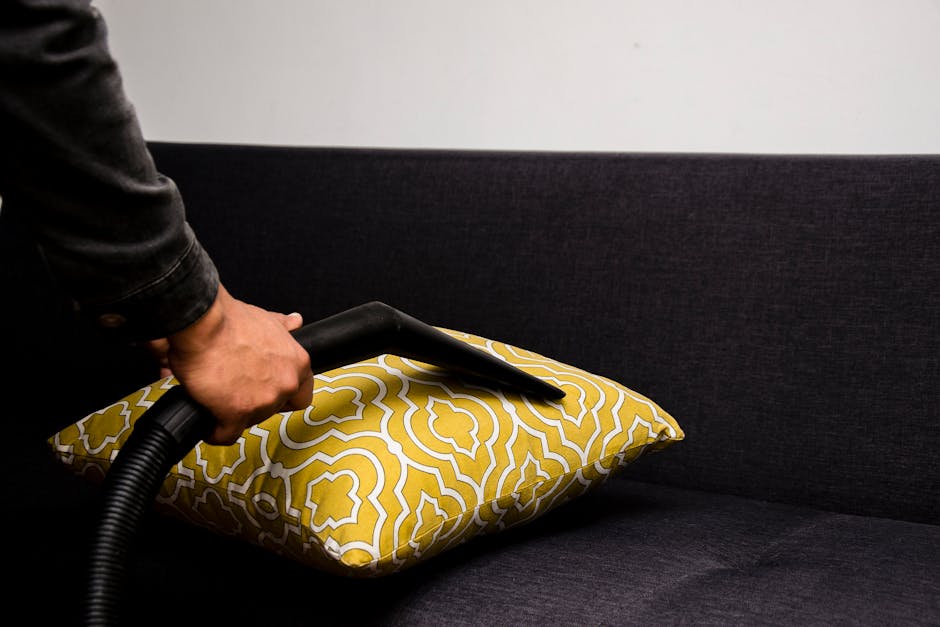
- Vacuum thoroughly. Get into seams, corners, piping, and under cushions where dust gathers.
- Pre-treat targeted marks. Food, drink, grease, and body oil need different approaches. A one-size-fits-all product can make things worse.
- Choose the right method. Delicate items may need low-moisture treatment; sturdier fabrics may tolerate deeper extraction.
- Clean in sections. That helps control moisture and keeps the result even.
- Extract and manage drying. Good extraction is crucial. The less residue left behind, the fresher the fabric feels later.
- Check the result in daylight. Natural light can reveal anything you missed indoors.
If the item has a tricky stain, it may need more than one pass. That is normal. A careful clean is better than an aggressive one. Rushing is how stitching gets stressed and dyes get upset.
Expert Tips for Better Results
Here is the practical advice people usually wish they had before they started. A few small choices can make a proper difference.
- Test first, always. Even if the fabric looks tough, test a hidden area before any full treatment.
- Act quickly on spills. Blot, do not scrub. Scrubbing pushes the stain deeper and roughs up the fibres.
- Use the right expectation for the fabric. Some marks lighten rather than disappear completely. That is honest, and it is better than promising miracles.
- Keep airflow moving. Open windows where possible, use gentle ventilation, and avoid sitting on the item until it is properly dry.
- Rotate cushions. This is one of those boring tips that actually works. It helps wear and soil build more evenly.
- Pair cleaning with prevention. Throws, arm covers, and regular vacuuming reduce future buildup.
One thing I have seen time and again: people wait until the furniture looks bad in every light. By that point, the fibres have usually held onto more residue than they should. If you clean earlier, the job is easier and the result looks more natural. Less effort, less stress. Everyone wins.
If you want a wider fabric-care plan, think beyond the sofa. Items like mattress cleaning and rug cleaning can support the same fresh, well-kept feel around the home.
Common Mistakes to Avoid
Most upholstery damage does not come from normal use. It comes from well-meant mistakes. Annoying, but true.
- Using too much water: over-wetting can leave marks, slow drying, and sometimes trigger smell or distortion.
- Rubbing stains hard: this can spread the problem and wear the fabric texture.
- Ignoring the fabric code: if a material is labelled for specialist care, treat it that way.
- Using random household cleaners: what works on a kitchen counter may be wrong for a sofa.
- Forgetting the filling: a surface-only clean may miss the cause of lingering odours.
- Skipping drying time: sitting on damp fabric is asking for trouble, honestly.
Another common mistake is judging a cleaner only by how wet or dry the furniture feels at the end. A quick dry is good, yes, but only if the stain treatment and extraction were done properly. A sofa that feels almost dry but still smells strange is not really a win.
Tools, Resources and Recommendations
You do not need a van full of equipment to care for upholstery well, but a few sensible tools make life easier. For everyday maintenance, a vacuum with an upholstery attachment is probably the most important. It gets into seams and removes loose grit before it settles deeper into the fibres.
Other useful items include:
- a soft brush for lifting dust from textured fabric;
- clean white cloths for blotting spills;
- gentle, fabric-appropriate spot treatment;
- fan or airflow support for drying;
- a care label or fabric reference note, if the item has one.
For more substantial jobs, professional upholstery treatment is often the safer choice, especially when the fabric is mixed, delicate, or heavily soiled. If you are comparing services, it can help to look at how the provider discusses fabric types, stain treatment, and drying expectations, not just price. The pricing and quotes page is useful if you want to understand how quotes are usually approached, and the insurance and safety page helps reassure people who are cautious about letting someone work on valuable furniture.
If sustainability matters to you, it is also worth checking how cleaning waste and product use are handled. A responsible approach can reduce unnecessary water use and avoid harsh residues. The company's recycling and sustainability information may be relevant for readers who care about that side of the service.
Law, Compliance, Standards, or Best Practice
For domestic upholstery cleaning, there is not usually a single legal rule that dictates the method. The real focus is on sensible best practice, product safety, and fabric care. If a cleaner is working in a home or commercial space, they should behave in a way that is careful, transparent, and compatible with the item being treated.
In practical terms, that means:
- using cleaning products safely and as directed;
- avoiding unnecessary risk to the fabric, the room, or the people in it;
- checking fabric suitability before treatment;
- being honest when a stain cannot be fully removed without damage risk;
- handling any waste or residues responsibly;
- following sensible health and safety practices on site.
If you are booking a provider, it is reasonable to ask about public liability cover, safer working practices, and how they handle accidental damage or complaints. That is not being fussy. It is just good sense. The related health and safety policy, complaints procedure, and terms and conditions pages can help readers understand what a professional setup should be prepared to explain clearly.
For commercial premises, expectations can be a little stricter in practice because you are managing risk around staff, customers, and opening hours. The standard is still common sense, but with more people affected if something is rushed.
Options, Methods, or Comparison Table
Different upholstery jobs call for different methods. There is no single winner for every fabric, and that is where experience matters. A fast deep clean is not always the best clean. Sometimes the gentler option gives the better finish.
| Method | Best for | Strengths | Watch-outs |
|---|---|---|---|
| Hot water extraction | Durable synthetic upholstery, general deep cleaning | Strong soil removal, good for ground-in grime, can freshen heavily used seating | May not suit delicate fabrics; drying must be managed well |
| Low-moisture cleaning | Sensitive materials, quicker turnaround needs | Less water used, often faster drying, lower risk on some fabrics | May not remove deep-set staining as aggressively |
| Targeted stain treatment | Small spots, recent spills, isolated marks | Useful for precision work, less disruption to the whole item | Not a full clean on its own if the furniture is broadly dirty |
| Odour-focused treatment | Pet areas, smoke smell, stale fabrics | Can address smells that vacuuming alone will not touch | Results depend on how deep the odour has penetrated |
For most homes, a mixed approach works best. You might use full upholstery cleaning on the main seating and spot treatment for a couple of trouble areas. If the room includes hard-wearing seating and the surrounding floor is also showing wear, pairing it with steam carpet cleaning can create a more even overall result.
Case Study or Real-World Example
Picture a common Ilford scenario. A family has a three-seater sofa in the living room, two dining chairs in constant use, and a small armchair that was bought second-hand a year ago. The sofa has light grease marks on the armrests, the chairs have food specks near the seats, and the armchair has a faint old smell that only seems obvious in the evening.
At first glance, the family thinks everything needs replacement. But after a proper inspection, it turns out the fabric is still sound. The marks are mostly surface soil and transferred oils, not permanent damage. The cleaner vacuums carefully, pre-treats the armrests, spots the dining chairs, and applies a different treatment to the armchair because of the odour issue. The room smells fresher the same day, and the fabric looks more even once it dries.
The interesting part is not that everything becomes perfect. It rarely does. The interesting part is that the room stops feeling worn out. That changes how people use the space. They sit down without thinking about the smell first. They stop covering one cushion with a blanket. Small thing, big mood shift.
That is often what good upholstery cleaning does. Not magic. Just a proper reset.
Practical Checklist
Use this quick checklist before booking or starting upholstery cleaning in Ilford:
- Check the fabric label or make a note of the material.
- Identify stains, odours, and high-wear areas.
- Vacuum the item before any wet treatment.
- Test a hidden patch if you are using any cleaner yourself.
- Ask whether the method suits delicate or mixed fabrics.
- Clarify expected drying time.
- Keep pets and children off the furniture while it dries.
- Ask what happens if a stain does not fully shift.
- Review insurance, safety, and complaint information if you are using a professional service.
- Plan follow-up care so the furniture stays cleaner for longer.
A neat little habit helps too: note the date of the clean somewhere you will actually remember. On the fridge, in your phone, wherever. Future-you will thank you.
Conclusion
What to know about upholstery cleaning in Ilford 2026 comes down to a few simple truths. Fabric furniture holds onto dirt, oils, and odours more than most people realise. The right cleaning method depends on the material, the stain, and how much moisture the item can safely take. And the best results usually come from acting before the furniture gets truly grimy.
For homeowners, tenants, landlords, and businesses alike, upholstery cleaning is less about making something look brand new and more about restoring comfort, freshness, and confidence in the space. Done properly, it keeps rooms feeling cared for. That matters more than people admit.
If you are comparing providers, service details, care policies, and quote information can help you choose with a bit more confidence. And if you are still deciding, that is fine too. A careful choice now usually pays off later.
Get a free quote today and see how much you can save.
Clean furniture has a way of making a room feel calmer. Sometimes that is all you need.
Frequently Asked Questions
How often should upholstery be professionally cleaned?
Most homes benefit from a professional clean every 12 to 24 months, but high-use sofas, homes with pets, and family living rooms may need it more often. The best interval depends on how quickly the fabric visibly soils and whether odours start to build up.
Can all upholstery be steam cleaned?
No, and this is where people sometimes go wrong. Some fabrics can handle hot water extraction well, while delicate or moisture-sensitive materials need a gentler method. A fabric test and label check should come before any cleaning decision.
Will upholstery cleaning remove every stain?
Not always. Fresh stains are usually easier to improve than older ones, but some marks have already altered the fibre or dye. A good cleaner should explain what can realistically be reduced and what may be permanent.
How long does upholstery take to dry?
Drying time varies by fabric, room airflow, cleaning method, and how much soil had to be removed. Some items may dry fairly quickly, while others need longer ventilation. It is best to avoid sitting on the furniture until it is fully dry.
Is upholstery cleaning safe for pets and children?
It can be, provided suitable products are used and the furniture is allowed to dry properly before use. If someone in the home is sensitive to smells or residues, ask what kind of products and drying approach will be used.
What is the difference between sofa cleaning and upholstery cleaning?
Sofa cleaning usually focuses on sofas specifically, while upholstery cleaning covers a wider range of fabric furniture such as chairs, stools, benches, and armchairs. The methods are often similar, but the item and fabric determine the exact approach.
Do I need to vacuum before a professional cleaner arrives?
It helps, yes. A quick vacuum removes loose dust and crumbs, which makes the treatment more effective. That said, professional cleaners will usually do their own preparation too, so do not stress if you cannot manage every corner.
Can upholstery cleaning help with pet odours?
Yes, especially if the smell is in the fabric or surface layer. If the odour has gone deeper into the filling, a more specific treatment may be needed. For pet-related issues, a targeted service such as pet stain odour removal is often the right fit.
How much does upholstery cleaning cost in Ilford?
Cost depends on the number of items, fabric type, condition, and whether stains or odours need extra treatment. The best approach is to ask for a tailored quote rather than assuming a flat price will suit every job.
Should I choose the cheapest upholstery cleaner?
Not automatically. Low price can be fine, but only if the provider is clear about methods, fabric safety, drying expectations, and what is included. If the quote is vague, that is usually a sign to ask more questions.
What should I ask before booking upholstery cleaning?
Ask what method they plan to use, whether it suits your fabric, how long drying should take, what happens with stubborn stains, and whether they have insurance and a complaints process. Those are the questions that save you headaches later.
Is upholstery cleaning different for commercial properties?
Yes, mainly because timing, foot traffic, and risk management are different. Offices, waiting areas, and client-facing spaces often need cleaning arranged around business hours and presented more carefully to avoid disruption.
If you want to compare related services, the dedicated pages for sofa cleaning, stain removal, and contact us can help you plan the next step without overcomplicating things.