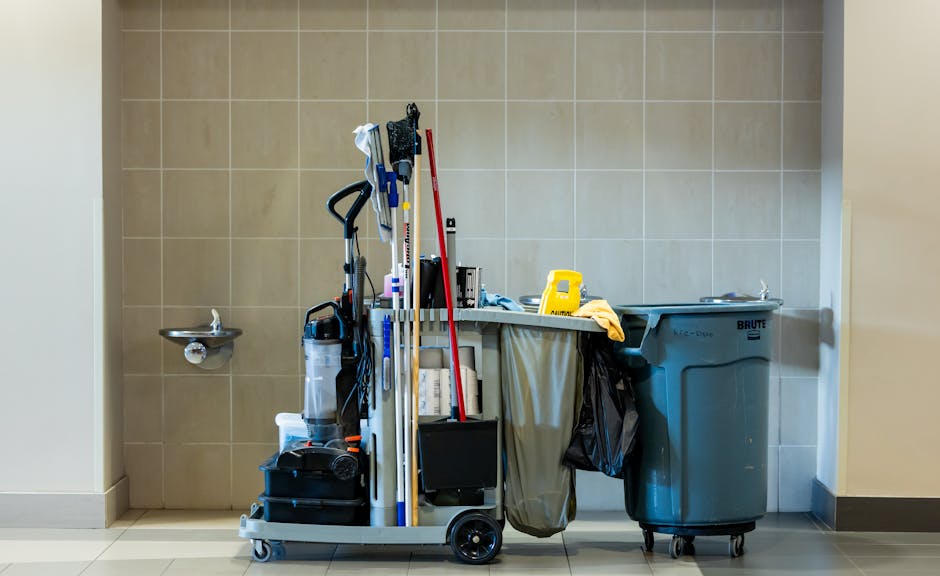
Office cleaning Ilford Gants Hill commercial packages
If you are comparing Office cleaning Ilford Gants Hill commercial packages, you are probably trying to solve a few problems at once: keeping the workplace presentable, protecting staff wellbeing, and finding a cleaning schedule that does not get in the way of business. That balance matters more than people think. A tidy office can make Monday mornings feel less grim, cut down on everyday mess, and help your team focus on work instead of wiping desks before they can even start.
In Gants Hill and the wider Ilford area, offices come in all shapes and sizes, from small professional suites to busier shared premises. The right package should fit the building, the footfall, and the way your team actually uses the space. Not the other way round. In this guide, we will break down how commercial office cleaning packages work, what to look for, what to avoid, and how to choose a service that feels dependable rather than complicated.
Along the way, we will also cover practical points that are easy to miss, like scope, frequency, safety, and what happens when you need changes mid-contract. If you want to understand the options properly before asking for a price, you are in the right place.
Table of Contents
- Why office cleaning packages matter
- How commercial office cleaning packages work
- Key benefits and practical advantages
- Who this is for and when it makes sense
- Step-by-step guidance
- Expert tips for better results
- Common mistakes to avoid
- Tools, resources and recommendations
- Law, compliance, standards and best practice
- Options, methods and comparison table
- Case study or real-world example
- Practical checklist
- Conclusion
- Frequently asked questions
Why Office cleaning Ilford Gants Hill commercial packages Matters
Office cleaning is not just about making a place look neat. In a commercial setting, it affects the whole working rhythm. A dusty reception, streaked glass door, or sticky kitchenette sends a message, and not a great one. Clients notice. Staff notice too, even if they do not always say it out loud.
For businesses in Ilford and Gants Hill, packaged office cleaning is especially useful because many premises need regular attention rather than one-off deep cleans. Think of meeting rooms that fill with fingerprints, washrooms that need a steady routine, and shared desks that collect clutter by the end of the week. It is all very ordinary, but ordinary is exactly what makes it easy to fall behind.
A commercial package gives structure. Instead of calling for help each time something builds up, you agree a recurring plan with defined tasks, timing, and service levels. That makes life simpler for office managers, landlords, business owners, and facilities teams. Truth be told, it also helps reduce the kind of quiet friction that happens when nobody is quite sure who is responsible for what.
Expert summary: the best office cleaning package is the one that matches how your space is used, not just its floor size. A busy front office, for example, often needs different priorities from a quiet admin suite. Simple, but easy to miss.
If you are weighing up providers, it can help to review the company's own standards and policies too. Pages such as about the company, insurance and safety information, and health and safety policy can tell you a lot about how seriously a business treats commercial work.
How Office cleaning Ilford Gants Hill commercial packages Works
A commercial office cleaning package usually starts with a survey or a detailed conversation about the premises. The cleaner needs to understand the size of the office, the number of people using it, any high-traffic areas, and any tasks that need extra care. That might include kitchens, toilets, break areas, client meeting rooms, or sensitive areas with specialist equipment.
From there, the package is built around a scope of work. In plain English, that means a list of what gets cleaned, how often, and to what standard. Some businesses want daily cleaning, others want a few visits a week, and some only need support after busy periods. There is no one-size-fits-all answer. There really isn't.
Most packages will separate tasks into recurring duties and occasional extras. Recurring duties often include emptying bins, vacuuming, mopping, wiping down touchpoints, sanitising toilets, and cleaning kitchen surfaces. Extras may include internal glass, deeper washroom attention, carpet care, or periodic detailing of harder-to-reach areas.
The cleaning schedule should also reflect how the office operates. If your team arrives early, a post-working-hours clean may be best. If you run a shared space, early evening may work better. Small detail? Not really. Timing can make the difference between a smooth service and one that gets in everyone's way.
Professional cleaners will usually bring their own products and equipment, although that is not guaranteed. Good providers should also be clear about safe working practices, access arrangements, and what happens if keys, alarms, or building rules are involved. These are the boring bits, admittedly, but they are the bits that keep things running properly.
Key Benefits and Practical Advantages
The obvious benefit is cleanliness, but there is more to it than that. A good office cleaning package can support the whole operation in practical ways.
- Consistency: Regular cleaning prevents small issues from becoming the sort of mess that takes ages to sort out later.
- Better first impressions: A clean reception, meeting room, and washroom area help create confidence from the moment people walk in.
- Improved hygiene: Regular touchpoint cleaning is especially valuable in shared workspaces, kitchens, and communal areas.
- Reduced staff distraction: People can get on with their work instead of tidying around avoidable mess.
- Flexible budgeting: A package is often easier to plan for than repeated ad hoc bookings.
- Lower risk of neglect: Routines help prevent unpleasant build-up in bins, washrooms, and food prep areas.
There is also a quieter benefit that many businesses appreciate: peace of mind. When cleaning is handled reliably, the person managing the office does not have to think about whether bins were missed or whether the kitchen smells a bit off by Thursday afternoon. That little background stress disappears. Lovely, actually.
For businesses looking at value over time, it can be worth reviewing the provider's pricing and quotes guidance so expectations are clear from the start. Transparent pricing does not remove all uncertainty, but it does remove a lot of guesswork.
Who This Is For and When It Makes Sense
Commercial office cleaning packages are a strong fit for organisations that need repeat cleaning rather than a one-off tidy-up. That includes small businesses, medical or professional offices, agencies, co-working spaces, estate offices, and busy back-office operations. If people are coming and going all day, the need becomes obvious quite quickly.
You may especially benefit from a package if:
- your staff share kitchens, toilets, or meeting rooms;
- you receive clients or visitors regularly;
- your premises are open long hours;
- you have several floors, zones, or departments;
- you need cleaning outside normal office hours;
- your current ad hoc cleaning feels inconsistent or hard to manage.
It also makes sense if your office is in a building where cleaning access has to be coordinated carefully. Gants Hill offices can sit in mixed-use premises or shared commercial spaces, and that often means keys, alarm codes, lift access, and booking windows have to be handled neatly. Miss one of those, and the whole thing gets awkward in a hurry.
Smaller offices sometimes assume they do not need a package. But if a team of six uses a space every day, the same surfaces still get touched, crumbs still appear, and bins still fill up. Smaller does not mean simpler. Sometimes it means the mess is just more visible.
Step-by-Step Guidance
If you are setting up a commercial office cleaning package for the first time, a straightforward process usually works best.
- List the areas that need attention. Start with reception, desks, floors, washrooms, kitchen areas, meeting rooms, and any storage or print zones.
- Decide what matters most. Some offices care most about hygiene, others about appearance, and many need both.
- Set the frequency. Daily, alternate-day, weekly, or a mixed schedule can all work depending on traffic and use.
- Clarify the tasks. Be specific about bins, vacuuming, mopping, desk wiping, washrooms, and touchpoints.
- Check access and security needs. Alarms, keys, lockdown rules, and building contacts should all be covered.
- Ask how quality is checked. Good services have some form of supervision, feedback process, or checklist routine.
- Review the quote carefully. Make sure the package matches the agreed scope, not just the headline price.
- Set a review date. After a few weeks, confirm whether the schedule needs adjusting.
One practical tip: ask for a breakdown of what is included and what counts as an extra. That one question saves a lot of confusion later. It sounds basic, but basic questions are often the smart ones.
If you need to explore service terms before committing, the provider's terms and conditions and contact page are sensible places to start. For many business owners, that initial clarity makes the decision much easier.
Expert Tips for Better Results
Over time, we have found that the best results come from a few simple habits. Nothing flashy. Just good housekeeping, in the proper sense of the phrase.
- Prioritise touchpoints: handles, switches, lift buttons, kettle switches, and shared equipment need regular attention.
- Keep kitchen rules visible: a clean cleaner can only do so much if food is left out overnight and nobody owns the fridge.
- Match frequency to footfall: if the office feels busy by Wednesday, weekly cleaning may already be too light.
- Use a simple feedback loop: one named person should be able to report issues quickly.
- Plan around seasonal grime: winter wetness, muddy shoes, and darker evenings all bring extra mess through the door.
One underused trick is to walk the office just before the cleaner arrives, once in a while. You will spot the patterns fast: where dust builds up, which bins always overflow, and whether the kitchen is the real problem area. That kind of observation is more useful than any glossy brochure. Of course, you may not enjoy finding out the office kettle is more tragic than expected.
It also helps to understand the cleaner's workload. A very cheap package might look fine at first glance, but if the schedule is packed too tightly, corners tend to be cut. That is not dramatic, just practical reality.
Common Mistakes to Avoid
Office cleaning packages can go wrong in predictable ways. The good news is that most of these problems are avoidable.
- Choosing only on price: the cheapest option may skip tasks that matter to your team.
- Being vague about scope: "general cleaning" is too loose for a commercial agreement.
- Forgetting washrooms and kitchens: these areas usually need the most regular care.
- Ignoring access issues: if a cleaner cannot get in, they cannot clean. Simple as that.
- Not reviewing the service: even a good arrangement may need small adjustments after a month or two.
- Expecting one visit to fix ongoing mess: a package works best as a routine, not a rescue mission.
Another common mistake is not factoring in business change. Hiring more staff, hosting more clients, or moving desks around can all change the cleaning requirement. What worked in spring might not be enough by autumn, especially if your office becomes busier or takes on shared working habits.
A little honesty helps here. If the office is no longer as neat as it was, say so early. Good providers would rather adjust the plan than guess. Guessing is rarely the winner.
Tools, Resources and Recommendations
When people talk about office cleaning, they often focus only on labour. But the right tools and working methods matter a lot too. A decent commercial package should consider the surfaces, the layout, and the materials in your office.
Typical equipment may include vacuum cleaners suitable for carpets or hard floors, microfibre cloths, mops, bucket systems, washroom cleaning materials, and safe general-purpose products. In some settings, more specialist tools may be needed for flooring, upholstery, or high-traffic areas. The point is not to have the fanciest kit. The point is to have the right kit.
For businesses that care about responsible operations, it can also be helpful to ask how waste is managed and whether the provider has a sustainability approach. You can review the company's recycling and sustainability information for an idea of how they think about waste and environmental practice.
From a practical standpoint, a few resources inside your own office make a big difference too:
- a simple room-by-room cleaning brief;
- a named contact for issues and access;
- a checklist for weekly or monthly review;
- storage space for approved supplies if required;
- clear labels for communal bins, recycling, and waste streams.
One small thing, but important: if your staff use shared kitchen appliances, a cleaning plan works better when everyone knows the rules around food storage and surfaces. Otherwise the cleaner is fighting a losing battle by Friday afternoon.
Law, Compliance, Standards and Best Practice
Commercial cleaning has a practical compliance side, especially when you are inviting contractors into a workplace. You do not need to turn it into a legal project, but you should make sure the basics are covered.
At a minimum, businesses should think about safe access, suitable equipment, proper product use, and clear communication around hazards. If cleaners work after hours or in occupied premises, the arrangement should account for alarms, keys, lone working, and emergency procedures. That is standard good practice, and it protects everyone involved.
It is also sensible to ask whether the provider has insurance appropriate for commercial work and whether their teams are briefed on safety expectations. This is where documents like insurance and safety details and the health and safety policy are genuinely useful, not just box-ticking pages. They help you understand how a business manages risk in the real world.
Where relevant, you should also consider privacy and data handling if cleaners may see paperwork, screens, or sensitive information in offices. Not every cleaner will access confidential areas, but if they might, the arrangement should respect your internal policies and the provider's own privacy policy.
Best practice is simple: explain the environment clearly, record important instructions, and keep a basic audit trail of who has access and what has been agreed. Nothing fancy. Just sensible control.
Options, Methods and Comparison Table
Office cleaning packages usually fall into a few broad styles. The right one depends on how the office is used and how much consistency you need.
| Package type | Best for | Strengths | Watch-outs |
|---|---|---|---|
| Basic recurring clean | Small offices with light daily use | Simple, affordable, easy to maintain | May not suit busy kitchens or washrooms |
| Standard commercial package | Most regular offices and shared workplaces | Good balance of frequency and detail | Needs a clear task list to avoid gaps |
| Enhanced hygiene package | Higher-footfall spaces or client-facing offices | More attention to touchpoints and shared areas | Can cost more if the scope is broad |
| Mixed package with periodic extras | Offices that need routine care plus occasional deeper work | Flexible and practical over time | Requires good scheduling and communication |
In many cases, the mixed package is the sweet spot. Routine cleaning keeps the space workable, while occasional extras handle the bits that get missed in day-to-day life. The carpet in the meeting room, the glass partition, the odd spill behind the printer area - those things add up. They always do.
If you are unsure what level you need, start with the normal daily pain points. What gets dirty fastest? What do staff complain about? What would create the worst impression if a client walked in unexpectedly at 9:15 on a rainy Tuesday?
Case Study or Real-World Example
Here is a realistic example drawn from the kind of office cleaning conversations that happen all the time in Ilford and Gants Hill.
A small professional office with around a dozen staff was relying on occasional ad hoc cleaning. The reception looked fine most mornings, but by midweek the kitchen started to show it. Bins filled quickly, the meeting room table had a dull film of dust, and the washroom needed more attention than the team was giving it. Nothing disastrous. Just enough to be annoying.
The fix was not complicated. The office moved to a recurring package with a set weekly rhythm, a clearer list of tasks, and a few small extras added to the kitchen and touchpoint areas. Staff were asked to keep desks reasonably clear, and the cleaning schedule was set for after hours so nobody was interrupted.
What changed? The place felt calmer. The kitchen stopped becoming a weekly complaint point. Visitors got a better first impression. And the office manager, who had been juggling too many small reminders, had one less thing to chase. That is often what these packages are really buying: smoother operations, not just cleaner floors.
To be fair, the service did not need to be perfect to be useful. It just needed to be steady, predictable, and matched to the office's real habits. That is where value tends to show up.
Practical Checklist
Use this checklist before agreeing a commercial office cleaning package. It keeps the conversation focused and saves a lot of back-and-forth later.
- Have you listed all rooms and shared areas?
- Is the cleaning frequency realistic for your level of footfall?
- Have touchpoints, kitchens, and washrooms been included?
- Do you know what is standard and what is chargeable as an extra?
- Is there a named contact for access, feedback, and changes?
- Have security arrangements been explained clearly?
- Have you checked insurance and safety information?
- Do you understand payment terms and billing cycles?
- Have you read the provider's terms and conditions?
- Is there a review date after the first few weeks?
If you want a smoother onboarding process, it can help to check the provider's payment and security information as well. That way, admin questions do not slow down the start of the service.
Quick takeaway: the best package is the one that feels almost invisible once it is running. When the routine is right, nobody has to think about it much. And that is exactly the point.
Get a free quote today and see how much you can save.
Conclusion
Choosing Office cleaning Ilford Gants Hill commercial packages is really about choosing reliability. A good package keeps your office presentable, supports day-to-day hygiene, and reduces the little problems that can quietly drain time and attention. For most businesses, the best result comes from a simple, honest plan: clear scope, sensible frequency, and a provider who understands how the space is actually used.
If you take anything from this guide, let it be this: do not buy office cleaning as a vague service. Buy it as an operational routine. That mindset makes it much easier to compare options, avoid surprises, and get the kind of result that feels worth paying for.
If you are ready to take the next step, review the relevant service details, check the trust and policy pages, and make sure the package suits your workplace rather than forcing your workplace to suit the package. Small difference on paper, big difference in real life.
And once the right routine is in place, you will notice it almost immediately. The office feels lighter. Less frazzled. More itself.
Frequently Asked Questions
What is included in office cleaning Ilford Gants Hill commercial packages?
Most packages include routine tasks such as vacuuming, mopping, bin emptying, surface wiping, washroom cleaning, and kitchen area care. Some also include glass, detailing, or periodic extras. The exact scope should always be written down.
How often should an office be cleaned?
That depends on footfall, the number of staff, and how the space is used. A busy office may need daily cleaning, while a quieter one may manage with fewer visits. The right answer is the one that keeps standards steady without unnecessary visits.
Are commercial office cleaning packages suitable for small businesses?
Yes. In fact, smaller offices often benefit from a package because they still need consistency, but may not have time to manage cleaning one visit at a time. A simple routine can make a big difference.
How do I compare office cleaning quotes fairly?
Compare the scope, frequency, access arrangements, and extras, not just the price. A cheaper quote that excludes key tasks may cost more in practice if you need add-ons later.
Can cleaning be done outside business hours?
Usually yes, and many offices prefer it. Evening or early morning cleaning helps avoid disruption and keeps work moving. Just make sure access, alarms, and security are agreed in advance.
What should I ask before booking a commercial cleaning package?
Ask what is included, how often tasks are done, who has access, how issues are reported, and whether the provider has appropriate insurance and safety procedures. Those questions are practical, not fussy.
Do office cleaning packages include kitchens and washrooms?
They often do, but not always at the same level. These spaces should be specifically included because they usually need the most regular attention and can affect staff comfort very quickly.
Is a deep clean the same as a recurring office package?
No. A deep clean is usually a more detailed one-off service, while a recurring package is a regular maintenance arrangement. Many businesses use both: recurring cleaning for upkeep and deeper work from time to time.
How do I know if my current office cleaning is not enough?
If bins overflow, kitchens smell stale, washrooms look tired by midweek, or staff keep mentioning the same issues, the current schedule is probably too light or too vague. The signs are usually pretty obvious once you look closely.
What makes a good office cleaning provider in Ilford or Gants Hill?
Look for clear communication, a sensible scope of work, reliable scheduling, good safety awareness, and transparent terms. Local knowledge helps too, especially where access and building rules matter.
Can I change my cleaning package later?
Most arrangements can be adjusted if your office grows, changes layout, or becomes busier. It is best to review the service after a few weeks so small problems can be corrected before they become habits.
Where can I find more information about the company before enquiring?
You can review the company's about us, complaints procedure, terms and conditions, and contact page to get a clearer picture before you enquire.
Sometimes the right cleaning package is less about grand promises and more about steady, thoughtful care. That is what keeps an office feeling ready for work, day after day.