Ilford carpet cleaning insured technicians and safety checks: what to expect and why it matters
If you are comparing carpet cleaners in Ilford, the phrase Ilford carpet cleaning insured technicians and safety checks should matter a lot more than most people realise. A clean carpet is nice. A safe, well-insured visit is better. You want your home, your flooring, your furniture, and your peace of mind handled properly, not guessed at.
In practice, that means checking who is coming into the property, what insurance they carry, how they assess risks before they start, and what safety checks happen on the day. It sounds straightforward, but there are a lot of moving parts: water, electricity, cleaning solutions, delicate fibres, pets, stairs, children, and the occasional awkward stain that has been there since last winter. Let's face it, carpet cleaning is not just about shampoo and suction.
This guide explains how insured technicians and proper safety checks work in real life, why they matter, who needs them most, and what a careful customer should look for before booking. If you want a cleaner carpet without unnecessary stress, you are in the right place.
- Why insured technicians and safety checks matter
- How the process works
- Key benefits and practical advantages
- Who this is for and when it makes sense
- Step-by-step guidance
- Expert tips for better results
- Common mistakes to avoid
- Tools, resources and recommendations
- Law, compliance, standards and best practice
- Options, methods, and comparison
- Case study or real-world example
- Practical checklist
- Conclusion
- Frequently asked questions
Why Ilford carpet cleaning insured technicians and safety checks Matters
Carpet cleaning seems simple from the outside. A machine arrives, some solution goes down, dirt comes up, and the carpet looks brighter. But the real risk sits in the details. A technician might be working around sockets, skirting boards, stairs, fragile rug backing, furniture legs, pet mess, damp patches, or pre-existing damage. If those things are not checked first, small problems can turn into costly ones.
Insurance matters because accidents do happen, even with careful people. A hose can leak. A piece of furniture can mark a wall. A technician can discover a weak carpet seam, a loose floor transition strip, or a hidden stain that requires a different method. Good insurance does not replace good workmanship, but it does show the business is prepared for the unexpected. That is reassuring. Simple as that.
Safety checks matter because they reduce the chance of mistakes before any cleaning starts. A proper visit should not begin with guesswork. It should begin with a quick but thoughtful assessment of the room, the carpet fibre, the condition of the carpet, the drying route, the working space, and any health or access issues. That habit is what separates a professional service from a rushed one.
Expert takeaway: the best carpet clean is the one that leaves the room cleaner, safer, and fully understood before the machine is switched on.
For homeowners, landlords, tenants, offices, and busy families, this matters because the carpet is part of the property. It is not disposable. And when people search for Ilford carpet cleaning insured technicians and safety checks, they are usually asking one deeper question: can I trust this company in my home or workplace?
How Ilford carpet cleaning insured technicians and safety checks Works
The process usually starts before anyone steps through the door. A reputable company will ask a few sensible questions in advance, such as room sizes, carpet type, visible stains, access issues, parking, and whether there are pets or vulnerable occupants in the property. That first conversation already tells you a lot. If they do not ask anything, well, that is not exactly a great sign.
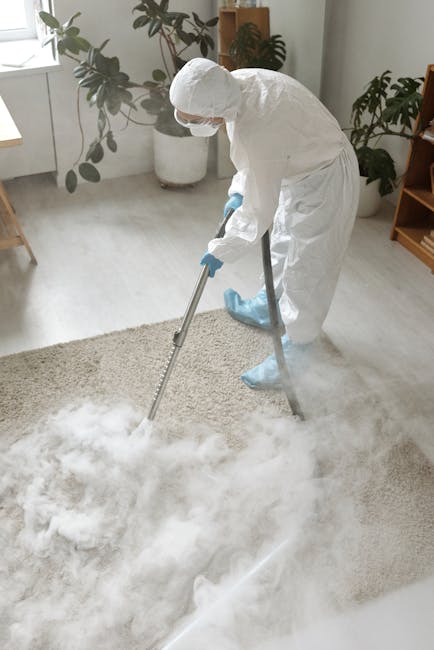
On arrival, an insured technician should carry out a visual inspection. This often includes checking for wear, colour fading, loose fibres, existing damage, signs of shrinkage risk, and any areas that may need a gentler approach. If the work involves steam carpet cleaning or hot water extraction, the technician should also think about moisture control and drying times, because too much water in the wrong place can create avoidable problems.
Safety checks are usually practical rather than dramatic. They might include:
- checking electrical access and avoiding unsafe socket use
- spotting trip hazards such as cables, toys, or uneven thresholds
- testing a small hidden patch where appropriate
- identifying stain types before selecting a treatment
- moving furniture only where safe and agreed
- protecting nearby surfaces from overspray or drips
- confirming ventilation and drying guidance
From there, the cleaner chooses the method best suited to the carpet. For some households, that might be deep cleaning for traffic lanes. For others, it might be a targeted stain removal approach, or a gentler clean for delicate fibres. If pet accidents are involved, a technician may need to look beyond the visible mark and deal with the source of the odour too, which can be more involved than people expect.
Good businesses also work with clear terms, secure payments, and transparent pricing. If you are comparing providers, pages such as pricing and quotes, payment and security, and insurance and safety help show how the service is structured and how seriously they treat customer trust.
Key Benefits and Practical Advantages
The obvious benefit is cleaner carpet fibres. But the less obvious benefits are where the real value sits. A properly insured and safety-checked visit reduces stress, reduces disruption, and helps you make a better decision before work starts. That matters whether you are preparing a spare room, a hallway, a rental flat, or a busy family living room where someone always seems to drop toast on the floor five minutes before the cleaners arrive.
Here are the practical advantages worth paying attention to:
- Lower risk of property damage: insurance is there if something goes wrong.
- Better handling of delicate carpets: technicians can adapt the method to the fibre and pile.
- Safer working practices: fewer trip hazards, fewer electrical risks, and better room preparation.
- More predictable results: the cleaner knows what they are dealing with before they begin.
- Less disruption: a properly checked job tends to run more smoothly and dry more evenly.
- Stronger trust: you know the business is not winging it.
If you are also dealing with upholstery or rugs, it helps to book a provider that treats textile care as a system rather than a one-off task. A careful business may also offer rug cleaning, upholstery cleaning, or sofa cleaning, which can be useful if several items in the room need attention and you want the job coordinated properly.
There is also a time-saving benefit. When technicians are trained to check things properly, they spend less time fixing avoidable problems and more time actually cleaning. That sounds obvious, but in the real world it makes a difference. You feel it in the appointment, and you notice it later when the carpet dries evenly and smells clean rather than overly wet.
Who This Is For and When It Makes Sense
This approach makes sense for almost anyone booking carpet cleaning, but some situations make it especially important. If your carpet is expensive, lightly coloured, old, delicate, or already showing wear, an insured and safety-conscious technician is not optional in my view. It is the safer choice.
It is also a smart move if you are:
- a homeowner wanting a deep clean without damaging the pile
- a tenant trying to leave the property in good condition
- a landlord or letting agent managing turnover between occupiers
- a business owner maintaining a professional workspace
- someone with pets, children, or allergy concerns
- someone dealing with stains, odours, or recurring marks in high-traffic rooms
Commercial settings often need even more care because footfall is higher and schedules are tighter. For that kind of work, a service like commercial carpet cleaning can be more suitable, especially where teams need to work around opening hours, customers, or staff movement.
And if the issue is not just the carpet but the whole room, the same logic applies to curtains, mattresses, and other soft furnishings. A joined-up approach can make sense, particularly when you want one cleaner to assess the textile surfaces with the same eye for safety and aftercare.
Step-by-Step Guidance
If you want to book confidently, use a simple process. Nothing fancy. Just a sensible sequence that helps you avoid guesswork and awkward surprises later.
- Describe the job clearly. Mention room size, stains, fibre concerns, pets, stairs, parking, and any access issues.
- Ask about insurance. A professional company should be able to explain what cover they hold and what it protects against.
- Ask what safety checks happen on arrival. You want to know how they assess risks before cleaning begins.
- Request the cleaning method in plain English. Steam cleaning, hot water extraction, spot treatment, or dry methods all suit different situations.
- Prepare the room. Remove small objects, fragile items, and anything that could become a trip hazard.
- Walk through the room with the technician. Point out problem areas, recent spills, and carpet seams or weak spots.
- Agree on furniture handling. Do not assume everything will be moved automatically. Ask what is safe and included.
- Ask about drying and ventilation. Good aftercare prevents re-soiling and helps the carpet settle properly.
One useful tip: take a couple of quick photos of visible issues before the work starts. That is not about being suspicious; it is about clarity. If a stain lightens, changes shape, or needs a follow-up treatment, those photos help everyone remember what was there in the first place.
Also, if you are comparing options and budgets, a page like carpet cleaning can help you understand the core service before choosing add-ons. The key is to match the method to the material, not the other way around.
Expert Tips for Better Results
Here is the part where a bit of practical experience helps. Carpet cleaning goes better when the room is treated like a working environment, not just a surface to be sprayed and forgotten. That is really the difference.
Tip 1: Tell the technician about old spills, even if they seem irrelevant now. A dark patch in a hallway may have been wine once, or it may be a cleaning product reaction from two years ago. The treatment changes depending on the cause.
Tip 2: Be honest about pet issues. If you have had repeat accidents, you may need more than a standard clean. A service such as pet stain odour removal is often more suitable where odour has settled into the underlay or fibres.
Tip 3: If the carpet is antique, wool-rich, or has a fragile edge, ask for a conservative approach. Faster is not always better. Gentler is often smarter.
Tip 4: Check the drying conditions before the cleaner leaves. Open windows where sensible, keep foot traffic light, and avoid putting furniture back too soon. A damp carpet and heavy sofa feet are not a lovely combination.
Tip 5: Ask whether they provide advice after the clean. A good technician should give you practical guidance on drying, re-soiling, and stain handling. Not a lecture. Just useful advice, the kind you actually remember at 7 p.m. when someone drops gravy near the hallway.
Tip 6: For busy households, it can help to schedule cleaning when you have a little breathing room. Early morning on a weekday is often easier than trying to squeeze it in between school runs, deliveries, and dinner.
Common Mistakes to Avoid
People usually do not book the wrong cleaner because they do not care. They do it because they are busy, or because every company sounds similar at first glance. Fair enough. But a few mistakes are easy to avoid.
- Choosing only on price. The cheapest quote is not always the safest or most suitable.
- Not asking about insurance. If the answer is vague, that is a warning sign.
- Ignoring the safety check. A rushed start often leads to avoidable issues.
- Assuming all carpets can be cleaned the same way. They cannot.
- Leaving delicate items in the room. Small things become trip hazards surprisingly quickly.
- Skipping aftercare. Drying and ventilation matter almost as much as the clean itself.
Another common problem is not asking about the wider service terms. If you want a clear understanding of what is included, what happens if access changes, or how payment is handled, it is worth reviewing terms and conditions alongside payment and security. That way there are no awkward little surprises later. Nobody enjoys those.
One more thing: do not assume "insured" means "perfect." It does not. It means there is a structured safety net if something unexpected happens. The better sign is when insurance sits alongside careful process, good communication, and honest advice.
Tools, Resources and Recommendations
You do not need to be a carpet expert to book a good job, but it helps to know the main tools and resources involved. That knowledge makes the service feel much less mysterious.
Common tools used by professional technicians:
- hot water extraction or steam cleaning equipment
- spotting tools for specific stain types
- carefully chosen cleaning solutions for different fibres
- air movers or ventilation aids where needed
- protective pads for furniture legs
- measuring tools for accurate quoting and coverage
Useful resources on a provider's site:
- health and safety policy for general working standards
- insurance and safety information for reassurance on cover and practice
- pricing and quotes to understand how work is assessed
- about us to see how the company presents itself and its approach
For carpet-specific support, you may also find steam carpet cleaning useful if you want a deeper clean for embedded dirt, or stain removal if the main issue is a targeted mark rather than overall soil build-up.
My honest recommendation? Ask for a clear explanation in plain language. If the answer sounds like it was designed to dodge the question, move on. Good providers do not hide the basics.
Law, Compliance, Standards, or Best Practice
For carpet cleaning in the UK, the most sensible framework is a mix of common law duty of care, workplace safety practice, insurance discipline, and general consumer fairness. You do not need a law degree to understand the essentials. You just need to know what "good practice" looks like.
At a practical level, a responsible cleaning business should think about:
- safe use of electrical equipment
- risk assessment before work begins
- safe movement around occupied properties
- clear communication about any limitations or risks
- appropriate insurance for accidental damage or liability issues
- privacy and fair handling of customer information
That is why pages such as privacy policy, complaints procedure, and insurance and safety are not just legal housekeeping. They are trust signals. They show how the business behaves when things are straightforward and when they are not.
For commercial sites, good practice becomes even more important because there may be staff, visitors, and operational schedules to manage. In those settings, a cautious technician is usually worth far more than a hurried one. Truth be told, rushed work can cost more in the long run.
If sustainability matters to you, it is also fair to ask how waste water, packaging, and cleaning product use are handled. A company that pays attention to recycling and sustainability is often thinking a little more carefully about operations overall.
Options, Methods, or Comparison Table
Different carpet cleaning methods suit different situations. There is no one-size-fits-all answer, and anyone claiming otherwise is simplifying things a bit too much.
| Method | Best for | Strengths | Watch-outs |
|---|---|---|---|
| Steam carpet cleaning / hot water extraction | General deep cleaning, traffic areas, embedded dirt | Thorough, widely used, good for restoring freshness | Drying time matters; not ideal for every delicate textile |
| Targeted stain treatment | Specific spills or marks | Focused, efficient, can preserve the rest of the carpet | May not address overall soil or odour issues |
| Specialist odour treatment | Pet accidents, persistent smells | Useful where odour has penetrated deeper than the surface | May require more than one visit if contamination is severe |
| Combined textile cleaning | Rooms with carpets, sofas, rugs, curtains, or upholstery together | Convenient, coordinated, often more efficient for whole-room refreshes | Needs careful planning to avoid rushed setup |
A good insurer-backed technician should explain why one method is better than another for your carpet, rather than simply pushing the machine that happens to be in the van. That difference matters more than people think.
Case Study or Real-World Example
Here is a realistic example. A family in Ilford has a mid-pile carpet in a living room used every day. There are a few soft drink spills, some dull traffic lanes near the sofa, and a patch by the doorway where shoes have been in and out for months. The carpet is not ruined. It just looks tired.
A careful technician arrives, checks the area, asks about pets, notices a slightly loose edge near the door, and avoids pulling furniture across that spot. They explain the likely results honestly: the traffic lanes should improve, but a faint shadow may remain because of long-term wear. That honesty is important. It sets the right expectation from the start.
The clean goes ahead with a suitable method, the room is ventilated, and the family keeps foot traffic light for the rest of the afternoon. By early evening the carpet feels fresher underfoot, and the room smells like it has had a proper reset, not a chemical blast. You know the feeling. Quiet, but satisfying.
Now compare that with a rushed job: no pre-check, no mention of the loose edge, furniture dragged carelessly, too much solution, and no drying advice. Same carpet, very different outcome. That is exactly why insured technicians and safety checks are worth the trouble.
Practical Checklist
Use this checklist before booking:
- Have I confirmed the cleaner is insured?
- Have I asked what safety checks happen before cleaning starts?
- Do I understand the cleaning method being used?
- Have I mentioned stains, pets, odours, and weak spots?
- Do I know what furniture movement is included?
- Am I clear on drying time and aftercare?
- Have I checked the service terms and payment details?
- Do I know how to prepare the room safely?
- Have I asked about related services if needed, such as rugs or upholstery?
- Do I feel confident the company will treat the property carefully?
If you can tick most of those boxes, you are in a strong position. If several are unanswered, slow down a bit. There is no prize for rushing a booking.
Get a free quote today and see how much you can save.
Conclusion
Choosing Ilford carpet cleaning insured technicians and safety checks is really about choosing calm over chaos. You are not just paying for a cleaner carpet; you are paying for careful handling, sensible planning, and the reassurance that someone has thought through the job before the first machine starts.
That matters in homes, in flats, in rentals, and in workplaces. It matters when the carpet is expensive, when the stain is stubborn, and when you simply do not want surprises. A trustworthy cleaner should be able to explain the process clearly, show how they work safely, and stand behind that work with proper cover and decent communication.
If you take nothing else from this article, take this: ask the simple questions first. Insurance, safety checks, method, drying, and aftercare. Those five things tell you almost everything you need to know. And once you have that confidence, the rest feels easier. A lot easier, actually.
Good carpet care should leave you with a fresher room and a lighter mind. That is the aim, really.
Frequently Asked Questions
What does insured carpet cleaning actually cover?
Insurance usually helps protect against accidental damage or issues that happen during the job, though the exact cover depends on the provider. It is always sensible to ask what is included before booking.
Why are safety checks important before carpet cleaning starts?
Safety checks help identify trip hazards, electrical risks, delicate carpet areas, and any access issues. They reduce the chance of avoidable problems and help the cleaning method suit the room properly.
Should a carpet cleaner inspect the carpet before starting?
Yes. A proper inspection helps the technician spot fibre type, wear, stains, damage, and any areas that may need special care. It is one of the clearest signs of a professional service.
Is steam carpet cleaning safe for all carpets?
Not always. It is widely used and effective, but some carpets are more delicate than others. The technician should decide whether steam carpet cleaning is suitable after checking the fibres and condition.
What should I ask before booking a carpet cleaner in Ilford?
Ask about insurance, safety checks, cleaning methods, drying times, stain treatment, furniture handling, and what happens if any issues are discovered during the visit.
Do insured technicians cost more?
Sometimes the price may be a little higher than a bare-bones service, but the extra reassurance is often worth it. You are paying for better process, lower risk, and greater accountability.
How do I know if a carpet cleaning company is trustworthy?
Look for clear communication, transparent pricing, useful policies, sensible questions before the visit, and a willingness to explain the process plainly. If the answers feel vague, trust your instincts.
Can carpet cleaning remove pet odours completely?
It depends on how far the odour has spread. Surface odours are often easier to treat than deeper contamination in the fibres or underlay. In tougher cases, specialist pet stain odour removal may be needed.
What happens if the cleaner finds damage during the inspection?
A good technician should point it out, explain any cleaning limitations, and adjust the method if needed. That is better than cleaning blindly and hoping for the best. Hope is not a technique.
How long does a carpet usually take to dry?
Drying time depends on the cleaning method, carpet thickness, ventilation, room temperature, and how much moisture was used. The cleaner should give clear aftercare guidance so you know what to expect.
Do I need to move all the furniture first?
Not always. Some items may be moved safely, while others are better left in place. Ask in advance so you know what to remove and what the technician will handle.
Can I book carpet cleaning with other textile services at the same time?
Yes, often that is practical. If you also need rugs, sofas, or upholstery cleaned, coordinated scheduling can save time and keep the result more consistent across the room.
Where can I check service details before making a decision?
Useful starting points are the company's pages for insurance and safety, health and safety policy, and carpet cleaning. Those pages help you understand how the service is organised.
What is the main benefit of choosing a safety-conscious cleaner?
You get more than a tidy carpet. You get a calmer, more predictable visit, fewer avoidable risks, and a better chance of a result that lasts. That peace of mind is worth a lot.